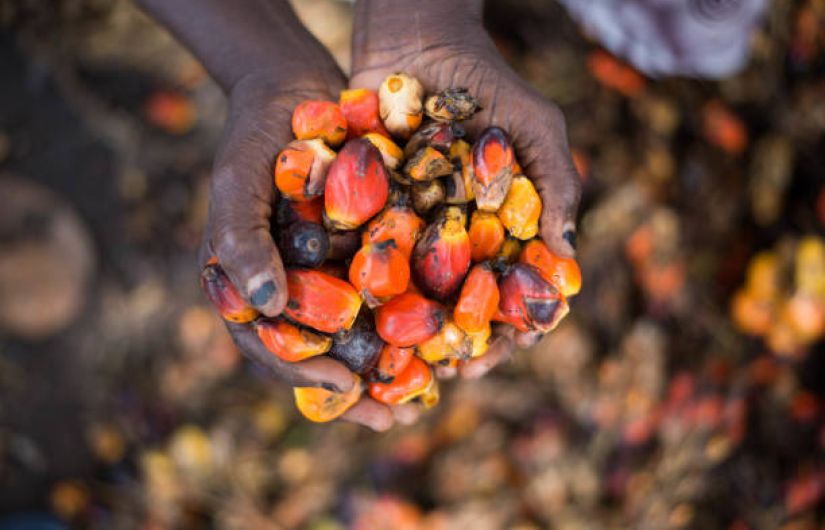
Nigeria is widely recognized for its petroleum resources, yet one of its most valuable untapped resources is agriculture. Before crude oil became the country’s primary source of revenue, agriculture served as the foundation of the Nigerian economy, contributing significantly to job creation, food supply, and foreign exchange earnings. Today, despite having vast fertile land, suitable weather conditions, and a large workforce, the agricultural sector remains underdeveloped and underutilized. Agriculture in Nigeria is truly a valuable asset waiting to be fully explored for national growth, poverty alleviation, and economic diversification.
Agriculture continues to make an important contribution to Nigeria’s Gross Domestic Product (GDP) and employs a significant portion of the population. Studies show that the sector contributes between 20% and 25% of the country’s GDP and offers jobs to nearly half of the labor force. Nevertheless, Nigeria still faces challenges such as food insecurity, low productivity, and heavy reliance on imported food items. This contradiction reveals the vast opportunities available within the agricultural sector if it is effectively managed and properly developed.
The Rich Agricultural Potential of Nigeria
Nigeria is blessed with over 70 million hectares of agricultural land, diverse vegetation zones, and favorable weather conditions suitable for the cultivation of numerous crops such as cassava, rice, maize, cocoa, yam, millet, and oil palm. The country is also endowed with extensive water resources for irrigation and fishing activities.
Various parts of Nigeria are known for different forms of agricultural production. The northern region is well suited for the cultivation of grains and livestock farming, while the southern region is ideal for cash crops such as cocoa, rubber, and oil palm. Nigeria remains one of the leading global producers of cassava and yam, reflecting the country’s vast agricultural potential and productive strength.
Furthermore, agriculture has the capacity to drive industrialization through agro-processing industries, create jobs for millions of youths, and reduce overdependence on crude oil exports. With the global demand for food increasing rapidly, Nigeria has the potential to become a major exporter of agricultural products if the right investments and policies are implemented.
Benefits of Agriculture in Nigeria
1. Job Creation
Agriculture is among the biggest sources of employment in Nigeria. Millions of citizens, particularly those in rural communities, rely on farming and agricultural activities for their livelihood. Expanding the sector can generate more job opportunities for young people and help lower the increasing rate of unemployment in the nation.
2. Food Availability and Security
An efficient agricultural sector guarantees a consistent supply of food for the country’s growing population. Higher agricultural output can help decrease hunger, undernutrition, and dependence on imported food items. Adequate food supply also promotes national peace and economic progress.
3. Economic Growth and Diversification
Nigeria’s heavy dependence on crude oil has made the economy vulnerable to fluctuations in global oil prices. Agriculture serves as another major source of income and can support economic diversification. The agricultural sector continues to make a meaningful contribution to the country’s Gross Domestic Product (GDP).
4. Generation of Foreign Revenue
Exports of agricultural products such as cocoa, sesame seeds, cashew nuts, ginger, and rubber can bring significant foreign income into Nigeria. Strengthening export-based agriculture can boost the value of the naira and improve the nation’s balance of trade.
5. Industrial Expansion
Agriculture provides essential raw materials for industries including food processing, textile manufacturing, beverage production, and pharmaceuticals. Agro-allied industries can encourage industrial growth and support development in rural areas.
6. Reduction of Poverty
A large number of Nigerians in rural regions depend on agriculture as their main means of survival. Enhancing farm productivity can raise farmers’ earnings, improve their standard of living, and help reduce poverty across the country.
7. Innovation and Business Opportunities
The growth of agritech and digital agriculture has created fresh opportunities for creativity and entrepreneurship. Modern technologies such as mobile farming applications, mechanized equipment, artificial intelligence, and precision farming can increase efficiency and improve agricultural productivity.
Challenges Facing Agriculture in Nigeria
Despite its enormous potential, agriculture in Nigeria faces numerous challenges that limit its growth and productivity.
1. Poor Infrastructure
Bad road networks, inadequate storage facilities, poor electricity supply, and weak transportation systems negatively affect agricultural production and distribution. Post-harvest losses remain very high due to poor storage and processing facilities.
2. Insecurity
Banditry, farmer-herder conflicts, kidnapping, and insurgency have made farming dangerous in many parts of Nigeria. Farmers are often unable to access their farmlands, leading to reduced agricultural output.
3. Limited Access to Finance
Many smallholder farmers lack access to affordable loans and credit facilities. High interest rates and strict lending conditions discourage investment in agriculture.
4. Climate Change
Unpredictable rainfall patterns, flooding, drought, and desertification continue to threaten agricultural activities. Climate change has reduced crop yields and increased food insecurity across several regions of the country.
5. Low Level of Mechanization
Most Nigerian farmers still rely on traditional farming methods and crude tools. The low adoption of modern farming equipment reduces productivity and efficiency.
6. Poor Government Policies and Implementation
Inconsistent agricultural policies, corruption, and inadequate budget allocation hinder the growth of the sector. Although several agricultural programs have been introduced, implementation remains weak.
7. Land Tenure Problems
Access to land remains a major challenge for many farmers due to complex land ownership systems and legal restrictions. This discourages large-scale agricultural investments.
8. Lack of Youth Participation
Many young Nigerians perceive agriculture as an unattractive and unprofitable profession. This negative perception has reduced youth participation in farming activities.
The Way Forward
To fully harness the hidden treasure of agriculture in Nigeria, deliberate efforts must be made by the government, private sector, and other stakeholders. Key measures include:
-
Increased investment in agricultural infrastructure.
-
Provision of affordable loans and grants to farmers.
-
Promotion of mechanized and climate-smart agriculture.
-
Improved security in farming communities.
-
Encouragement of youth participation through training and incentives.
-
Development of agro-processing industries.
-
Strengthening agricultural research and extension services.
-
Implementation of stable and transparent agricultural policies.
Public-private partnerships and foreign investments can also play a major role in transforming Nigeria’s agricultural sector into a modern and profitable industry. For example, in 2025, Nigeria and Brazil signed a $1 billion agricultural partnership agreement aimed at boosting food security and modernizing farming practices in Nigeria. The agreement includes the deployment of mechanized farming equipment, establishment of training centers, and development of service centers across the country. This partnership is expected to improve agricultural productivity, create jobs, support smallholder farmers, and encourage large-scale commercial farming. Such international collaborations demonstrate growing global confidence in Nigeria’s agricultural potential and highlight how foreign investments can accelerate the transformation of the sector.
Another example is the collaboration between the Nigerian government and the African Development Bank (AfDB) through the Special Agro-Industrial Processing Zones (SAPZ) program. The initiative aims to establish agro-processing hubs across different states in Nigeria where farmers and agribusinesses can process agricultural products locally rather than exporting raw materials. The project is designed to attract private investors, reduce post-harvest losses, create employment opportunities, and increase the value of agricultural products. Through this partnership, rural communities are expected to experience improved infrastructure, higher incomes, and increased economic activities, thereby contributing to sustainable agricultural development in Nigeria.
Agriculture remains one of Nigeria’s most valuable yet underutilized assets. Despite the nation’s vast agricultural resources and numerous opportunities, the sector has not been fully developed because of several structural and policy-related obstacles. If effectively managed and improved, agriculture can reshape Nigeria’s economy by creating employment opportunities, guaranteeing food availability, reducing poverty, and increasing foreign exchange revenue. Nigeria’s future prosperity does not depend solely on petroleum resources; it also rests on its rich farmland, dedicated farmers, and the enormous agricultural potential that remains largely untapped across the country. Unlocking this valuable sector is crucial for long-term national growth, economic stability, and sustainable development.











.jpg)


.jpg)

.jpg)








0 Comments: